Air travel often runs smooth. But sometimes, things go off track fast. On May 27, 2025, Delta Flight DL275 faced just that. This flight left Detroit bound for Tokyo. It ended up at LAX instead. The diversion stretched a normal trip into 12 long hours. Passengers sat through uncertainty. Crew members made split-second calls.
The cause? An engine anti-ice system glitch. No one got hurt. Yet the story grips people months later. It shows how small tech fails can spark big drama. In this piece, we break it down step by step. We pull from reports and witness accounts. All to give you the full picture. Delta Flight DL275 diverted to LAX stands as a reminder. Safety comes first in the skies.
Flight Background and Setup
Delta runs many international routes. DL275 connects Detroit to Tokyo Haneda. It’s a key link for business and leisure. The plane was an Airbus A350-900. This model holds about 300 people. It uses Rolls-Royce Trent XWB engines. These powerhouses handle long hauls well. On that day, the flight carried 285 passengers and crew. Weather looked clear. No storms loomed. Pilots checked systems pre-flight. Everything seemed fine.
Delta follows strict checks. They scan for ice risks even in mild conditions. Anti-ice tech heats parts to stop buildup. It’s vital at high altitudes. Cold air there can freeze moisture. Without it, engines might stall. This setup promised a standard 13-hour crossing. But fate had other plans. Delta Flight DL275 diverted to LAX started as any other trip. Bags loaded. Seats filled. Doors closed on time.
Departure from Detroit
The day began routine. At Detroit Metro Airport, gate A46 buzzed. Passengers boarded early afternoon. The A350 taxied out smooth. Takeoff happened around 3:30 PM local time. Wheels up, the plane climbed steady. It headed west over Michigan. Crew served drinks soon after. Kids watched movies. Adults worked or napped. No hints of trouble yet. Pilots monitored gauges. All readings normal. The flight plan aimed over Canada then the Pacific. Fuel loaded for the full distance plus extra. Safety margins built in. This phase lasted about an hour. Ground faded below. Clouds took over. Everyone settled in. Little did they know, the real test waited ahead. Delta Flight DL275 diverted to LAX began here, in calm skies.
Cruising Over North America
At cruise altitude, things stayed quiet. The plane leveled at 35,000 feet. Speed hit 500 knots. Passengers enjoyed meals. Flight attendants moved down aisles. Outside, views stretched endless. The route took them over vast lands. Hours ticked by. About four hours in, they neared the coast. Still no issues. Cockpit chatter stayed light. Systems hummed. But high up, air temps drop low. That’s where anti-ice matters. It runs automatic in spots. Pilots watch for alerts. None came yet. Folks below relaxed. Some slept. Others chatted. The cabin felt cozy. Lights dimmed for rest. This stretch covered hundreds of miles. It built false security. Soon, that would shatter. The flight pushed on, unaware of the shift coming.
The Engine Anti-Ice Alert
Then it hit. Around five hours out, a light flashed. The right engine anti-ice system warned of a fault. Ice could form without it. In cold air, that’s risky. Pilots noticed right away. They ran checklists. No panic yet. These alerts happen sometimes. But this one stuck. Reset attempts failed. The system wouldn’t engage. Crew contacted maintenance via radio. Experts on ground advised. Data links sent info back. Analysis showed a sensor glitch likely. Or maybe a valve stuck. Either way, it meant trouble over ocean. Continuing risked more. Ice buildup could cut thrust. Engines need clear air. This moment turned the flight. Delta Flight DL275 diverted to LAX sparked from this small light. It grew into hours of stress.
Crew’s Initial Response
Pilots stayed cool. They followed protocol. First, isolate the issue. They tested controls. No drop in power yet. But caution ruled. Delta trains for this. Crew discussed options. Continue to Tokyo? Too far with a fault. Nearest spots like Anchorage tempted. But LAX had better support. Delta hubs there. Mechanics ready. Passengers would get help fast. Captain addressed the cabin. Kept it vague at first. “Minor tech issue,” he said. “We’re checking.” Flight attendants prepped quietly. They secured items. Ensured calm. Radios crackled with ATC. Controllers cleared paths. This phase ate 30 minutes. Decisions loomed. Safety drove every step. The team shone under pressure.
The Turnaround Decision
Time to choose. Ground team weighed in. Fault deemed serious. Ocean leg ahead posed risks. Ice forms quick in sub-zero temps. Better safe than sorry. Captain opted for diversion. LAX it was. About 2,000 miles back. But equipped for A350s. Turn initiated smooth. Plane banked east. Passengers felt the shift. Murmurs rose. “Why turn?” some asked. Crew explained basics. No full details yet. To avoid worry. ATC coordinated new route. Avoided traffic. Fuel checked out. Enough for return plus hold. This call saved potential woes. It marked hour six. Halfway into the crisis. Delta Flight DL275 diverted to LAX locked in now. No going back.
Heading East to LAX
The return started tense. Plane flew back over land. Hours reversed. Passengers grew restless. Kids fussed. Adults checked phones where signal allowed. Crew handed snacks. Kept spirits up. Outside, sun dipped low. Views changed to dusk. Pilots monitored the engine close. No further faults. But alert lingered. Radio updates flowed. Weather at LAX clear. Runway prepped. This leg took five hours. Felt endless. Some slept fitful. Others watched progress on screens. Maps showed the U-turn. Questions buzzed. “How long?” “What next?” Attendants answered best they could. Calm held, thanks to pros. This stretch tested endurance. It built the shocking total.
Preparing for Landing
Nearing Delta Flight DL275 diverted to LAX, prep ramped up. Crew briefed emergency steps. Just in case. Seats upright. Belts tight. Cabin lights bright. Pilots talked tower. Descent began slow. Plane dropped from cruise. Engines throttled back. Faulty system off now. No ice risk low down. But caution stayed. Fire trucks stood by. Standard for diversions. Passengers braced. Some gripped arms. Whispers of prayer. Air smoothed out. City lights appeared. LAX loomed. This final hour dragged. Hearts raced. Touchdown neared. All eyes forward.
Safe Touchdown at LAX
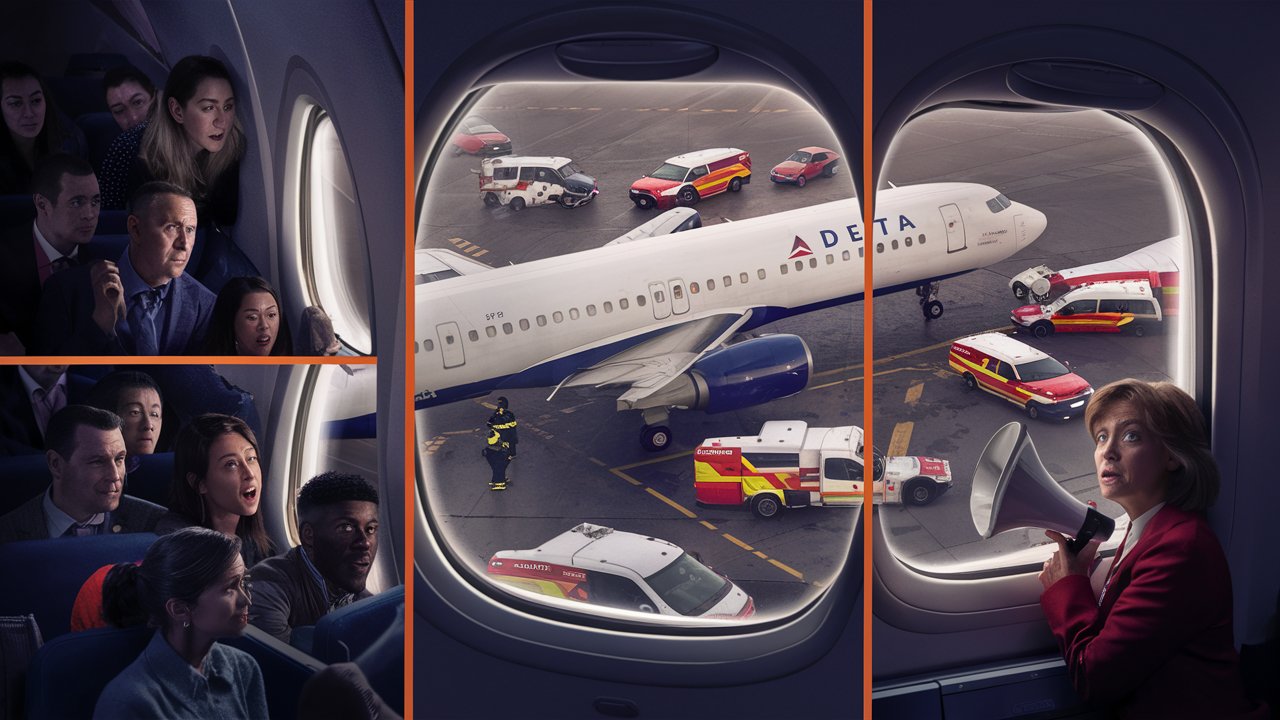
Wheels hit pavement smooth. Around 3:30 AM local time. Twelve hours after Detroit. Cheers erupted. Relief washed over. Plane taxied to gate. Engines shut down. Doors opened quick. Medics checked folks. No needs arose. All safe. Maintenance swarmed the jet. Inspected the engine. Passengers deplaned tired. Bags retrieved. Delta reps waited. This end capped the ordeal. No harm done. But memories stuck. Delta Flight DL275 diverted to LAX wrapped here. In quiet triumph.
Passenger Experiences
Stories emerged post-flight. One traveler described the turn. “Felt like a movie.” Another praised crew. “They kept us informed.” Families with kids struggled most. Long hours confined. Some felt anxiety peak mid-return. “What if it worsens?” But distractions helped. Movies. Games. Food rounds. A few business types worked on. Others bonded with seats. Laughter broke tension. Post-landing, fatigue hit hard. Hotels beckoned. These tales humanize the event. Show resilience. Passengers hailed the safe end. Grateful for pros aboard.
Airline Handling and Rebooking
Delta stepped up fast. At LAX, agents lined up. Rebooked flights to Tokyo. Some next day. Others rerouted. Vouchers for meals. Hotel stays covered. Apologies flowed. Social media buzzed with updates. Delta posted statements. “Safety our top priority.” Refunds offered where due. Baggage handled swift. Follow-ups came via email. Queries answered. This response eased pains. Built trust back. Months later, reviews mixed. Some praised. Others noted delays. But overall, solid work. Delta Flight DL275 diverted to LAX showed their system at play.
Official Investigation Findings
Probes started quick. FAA led. Delta cooperated. Engine teardown revealed a faulty valve. In the anti-ice setup. Sensor misread too. Not a design flaw. More wear issue. Rolls-Royce checked fleet-wide. No broad recalls. Reports cleared crew. Actions spot on. Timeline matched logs. Findings released fall 2025. Stressed training value. Tech checks tightened. This deep look closed loops. Offered peace. Aviation learns from each case.
Lessons for Air Travel Safety
Events like this teach much. First, redundancy saves days. Planes built tough. Crew prep key. Tech advances help. But humans decide. Diversions cost. This one hit $2.3 million est. Fuel. Crew time. Passenger comp. Yet worth it. Better than risks. Passengers now ask more. About plane age. Maintenance. Airlines share more. Transparency grows. Ice systems get focus. In cold routes. This pushes standards up. Safer skies result. Delta Flight DL275 diverted to LAX fuels that push.
Conclusion
Twelve hours changed everything. From routine to crisis. Back to safe ground. Delta Flight DL275 diverted to LAX grabs attention still. It spotlights quick thinking. Tech limits. Human strength. As 2025 ends, it reminds us. Fly smart. Stay ready. Airlines evolve. Passengers too. Next time you board, think of this. Safety weaves through every flight.
FAQs
1. What caused Delta Flight DL275 diverted to LAX?
An engine anti-ice system fault triggered the diversion for safety.
2. How long did the flight last?
It took 12 hours total, including the turnaround and landing at LAX.
3. Were passengers hurt?
No, everyone landed safe with no injuries reported.
4. What plane was used?
It was an Airbus A350-900 with Rolls-Royce engines.
5. Did Delta compensate travelers?
Yes, they offered rebookings, hotels, meals, and refunds as needed.
Keep up with the latest trends in travel, lifestyle, tech, and entertainment by exploring more at Tour Magazine – fresh stories delivered straight to your screen.