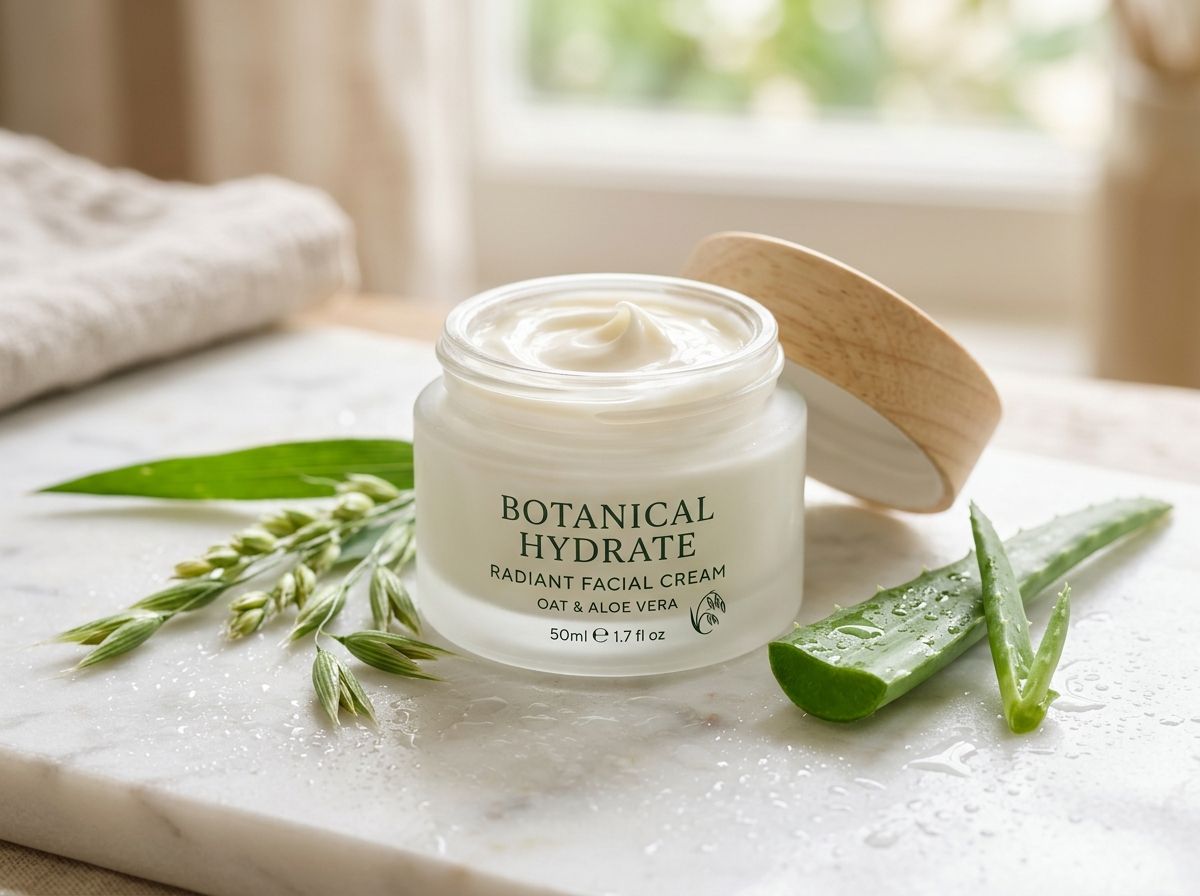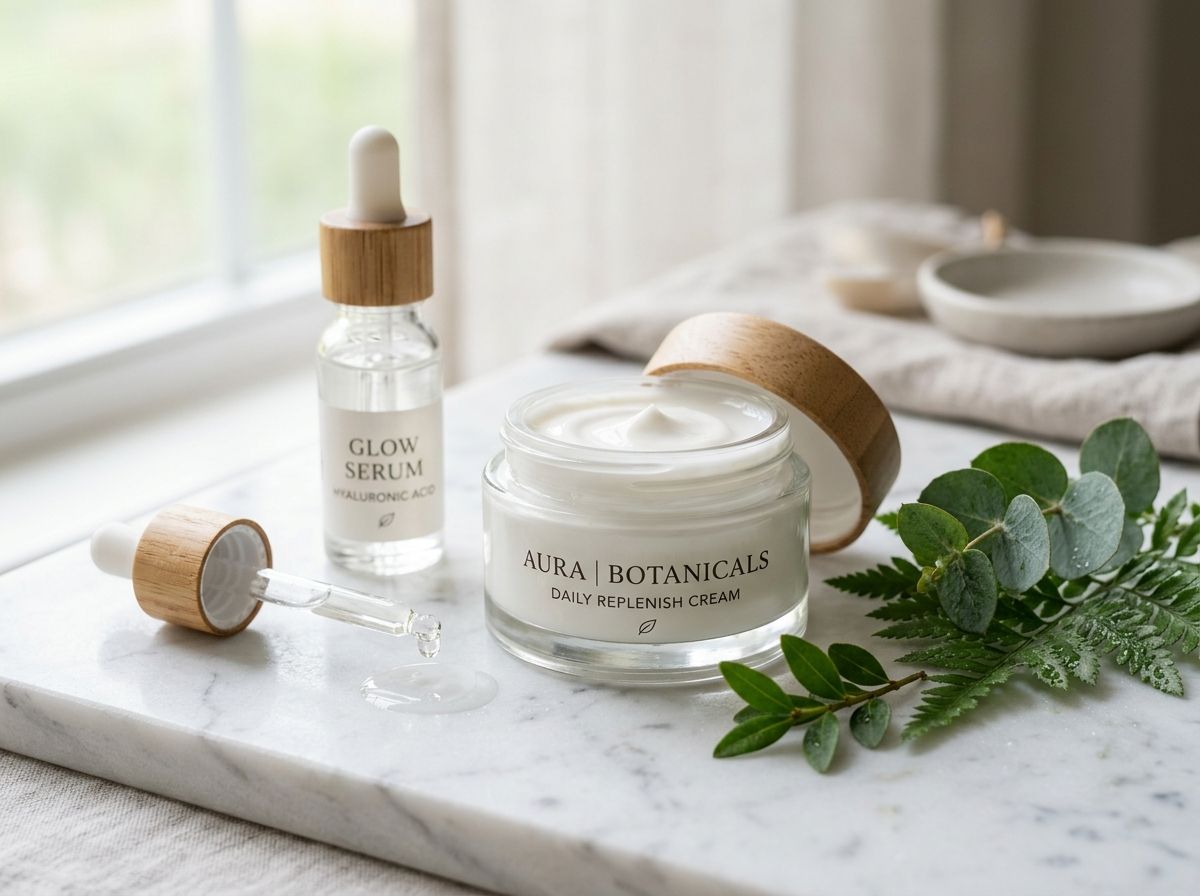
Healthy skin relies on consistent moisture balance to stay comfortable, resilient, and smooth. Everyday factors such as weather changes, indoor heating, cleansing routines, and environmental exposure can draw water from the outer layers of the skin. When moisture levels drop, the surface may feel tight, appear dull, or show fine lines more readily. A well formulated facial moisturizer helps counteract these effects by supporting the skin’s natural ability to hold water and maintain its protective barrier.
The goal of moisturizing is not simply to add a temporary layer of softness. Quality formulas work with the skin’s own structure. They attract water, smooth the surface, and reduce the rate at which moisture escapes. Over time this approach contributes to a more even texture and a calmer appearance. Selecting products that focus on proven supportive ingredients and careful manufacturing standards makes a noticeable difference in how the skin responds day after day.
Key Ingredients That Support Lasting Hydration
Effective moisturizers combine several types of ingredients that perform distinct yet complementary roles. Humectants draw water into the upper layers of the skin. Glycerin is one of the most widely used and well tolerated options. It pulls moisture from the air and from deeper skin layers, helping the surface stay plump. Hyaluronic acid, another common humectant, can hold many times its weight in water and is suitable for most skin types because it feels light rather than heavy.
Emollients fill the tiny spaces between skin cells, creating a smoother feel and helping the surface look refined. Plant derived oils, fatty acids, and certain butters fall into this category. They soften rough patches without clogging pores when chosen carefully. Occlusive agents form a light protective film that slows water loss. Ingredients such as squalane or certain silicones create this seal while still allowing the skin to breathe.
Ceramides deserve special attention. These lipid molecules occur naturally in the skin’s barrier. When external stresses reduce their levels, the barrier can become less effective at retaining moisture. Formulas that include ceramides help replenish what is missing and support the skin’s ability to defend itself. Combining ceramides with humectants and emollients creates a balanced approach that addresses both immediate hydration and longer term barrier strength.
Quality materials matter throughout the formula. Pure, stable forms of these ingredients, free from unnecessary irritants, allow the skin to benefit without added risk of sensitivity. Fragrance free options reduce the chance of reactions for those with easily reactive skin. Non comedogenic testing helps ensure the product will not encourage congestion.
Matching Moisturizer Texture to Skin Type
Skin type influences the ideal texture. Dry skin often responds best to richer creams that contain higher levels of emollients and occlusives. These formulas deliver more substantial moisture and create a stronger protective layer. People with combination or oily skin may prefer lighter lotions or gel creams that hydrate without leaving a heavy residue. Sensitive skin benefits from minimal ingredient lists that avoid common triggers such as added fragrance or certain essential oils.
Even within one skin type, needs can shift with the seasons or with changes in climate. A lighter product may feel sufficient in humid weather, while a denser cream becomes more welcome when the air turns dry. Paying attention to how the skin feels a few hours after application provides useful feedback. If tightness returns quickly, a richer formula or more frequent application may help. If the surface looks shiny or feels coated, a lighter option is often more comfortable.
The role of the skin barrier remains central regardless of type. A compromised barrier allows moisture to escape more easily and can make the skin more reactive to everyday products. Consistent use of a moisturizer that includes barrier supportive ingredients helps restore comfort and resilience over time.
How to Apply Moisturizer for Best Results
Application technique influences how well a product performs. Cleanse gently first so that the surface is free of residue yet not stripped. Apply the moisturizer while the skin is still slightly damp. This timing allows the formula to trap existing water and enhance overall hydration. Use a moderate amount and warm it between the fingers before pressing or smoothing it across the face and neck.
Focus on areas that tend to feel driest, such as the cheeks or around the eyes if the product is suitable for that region. Allow a short time for the product to settle before applying additional layers such as sunscreen during the day. Consistency matters more than quantity. Most people benefit from applying moisturizer twice daily, once in the morning and once in the evening, as part of a simple routine.
For those using active treatments such as retinoids or acids, a supportive moisturizer becomes especially valuable. It can help offset the temporary dryness that sometimes accompanies these ingredients and keep the barrier functioning well. Applying moisturizer after the treatment has absorbed creates a protective layer that improves comfort.
Quality of Materials and Manufacturing Standards
The effectiveness of any moisturizer depends heavily on the quality of its components and the care taken during production. High grade raw materials that meet purity standards deliver more reliable results. Stable forms of hyaluronic acid, carefully sourced ceramides, and refined plant oils resist degradation and maintain their benefits over the product’s shelf life.
Manufacturing processes that prioritize cleanliness and precise formulation help ensure each batch remains consistent. Products developed with attention to skin compatibility undergo testing for irritation potential and comedogenicity. These steps reduce the likelihood of unexpected reactions and support long term use.
When evaluating a moisturizer, look beyond marketing claims. Ingredient lists that place beneficial components near the top indicate meaningful concentrations. Transparent information about what the formula contains and what it deliberately omits builds confidence. A product that focuses on hydration, barrier support, and gentle performance tends to deliver more lasting satisfaction than one packed with unnecessary additives.
Everyday Benefits of Consistent Moisturizing
Regular use of a well chosen moisturizer contributes to several visible and sensory improvements. The skin surface feels softer and more comfortable throughout the day. Fine lines that appear more pronounced when the skin is dehydrated often look less noticeable once moisture levels rise. Overall tone can appear more even as the barrier functions more effectively and inflammation decreases.
Beyond appearance, hydration supports the skin’s natural defense against external stressors. A resilient barrier helps limit the impact of pollution particles, temperature shifts, and low humidity. Many people also notice that makeup applies more smoothly and lasts longer when the underlying skin is properly hydrated.
For individuals managing conditions that involve dryness or barrier disruption, a supportive moisturizer forms a foundational part of daily care. It works alongside other recommended practices to maintain comfort and reduce the frequency of flare ups.
Common Questions About Facial Moisturizers
Many people wonder whether moisturizer is necessary for oily skin. Even oilier complexions can experience dehydration, which sometimes prompts the skin to produce more oil. A lightweight, non greasy formula helps restore balance without adding heaviness.
Another frequent concern involves layering with other products. Moisturizer generally sits after water based serums and before oil based treatments or sunscreen. This order allows each product to perform its intended role.
Questions also arise about how long results take to appear. Immediate softness is common after the first application. Improvements in texture, resilience, and overall comfort often become more noticeable after consistent use over several weeks as the barrier strengthens.
Choosing and Using a Supportive Formula
Selecting a moisturizer involves matching texture and ingredients to personal needs while prioritizing quality materials. Formulas that include humectants such as glycerin and hyaluronic acid, emollients that soften, and ceramides that reinforce the barrier offer comprehensive support. Applying the product to clean, damp skin twice daily maximizes its benefits.
The ccilxarhu677 moisturizer represents one approach within this broader category of carefully formulated options that emphasize hydration and barrier health. Paying attention to how the skin responds guides ongoing choices and adjustments.
Maintaining hydrated, comfortable skin is a straightforward yet valuable part of daily self care. With thoughtful selection and consistent application, a quality facial moisturizer helps the skin look and feel its best through changing conditions and routines.