
Seafood has long been a staple for those seeking better wellness through food. Among the options from the ocean, Alaskan Seiti stands out as a mild, flaky white fish that’s both accessible and packed with nutrients. This fish, harvested from the clean, cold waters of the North Pacific, offers a range of advantages that can support daily health goals.
In this post, we’ll explore 10 key health benefits of Seiti, backed by recent nutritional data. Whether you’re looking to improve your diet or add variety to meals, understanding these perks can help you make informed choices. By the end, you’ll see why this fish deserves a spot on your plate in 2026 and beyond. It’s not just about eating fish, it’s about choosing one that’s sustainable and effective for long-term vitality.
What is Alaskan Seiti?
It refers to the Alaska pollock, a species known scientifically as Gadus chalcogrammus. It thrives in the Bering Sea and Gulf of Alaska, where cold currents create ideal conditions for growth. This fish grows to about 3 feet long and weighs up to 15 pounds, with a silvery body and white flesh that’s firm yet tender when cooked. Unlike cod or haddock, which it resembles, Alaskan Seiti has a milder flavor that’s less “fishy,” making it appealing to picky eaters. It’s one of the most abundant seafood sources globally, with catches managed under strict regulations to prevent overfishing.
In fact, the U.S. fishery for this fish is certified sustainable by organizations like the Marine Stewardship Council. You can find it fresh, frozen, or in processed forms like fillets or surimi. Its versatility extends to global cuisines, from American fish sticks to Asian stir-fries. What sets Alaskan apart is its role in eco-friendly fishing practices, ensuring stocks remain healthy for future generations. If you’re new to seafood, this fish is a gentle entry point, offering taste without overwhelming intensity.
Nutritional Profile of Alaskan Seiti
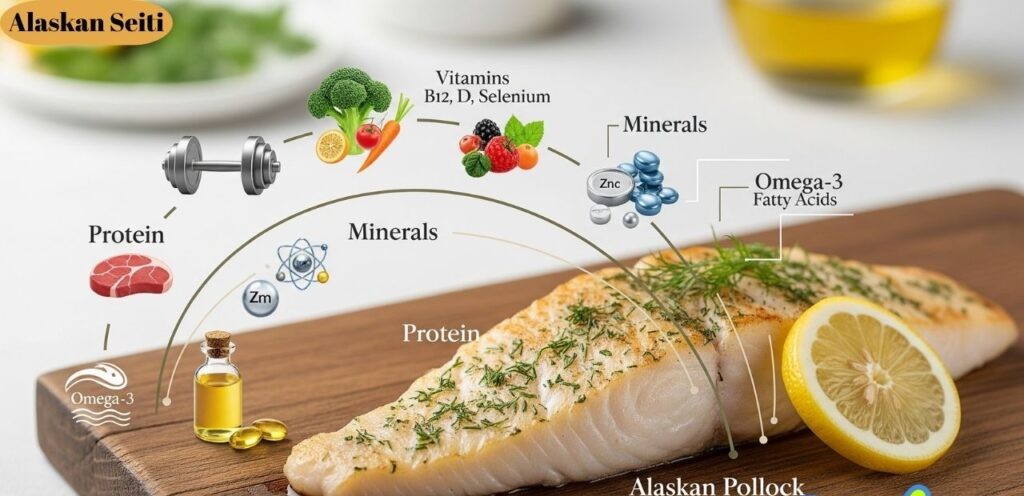
A single 100-gram serving of Alaskan Seiti delivers about 92 calories, making it a low-energy option for balanced meals. It boasts 19-23 grams of protein, which is over half the daily value for many adults. Fat content stays low at around 1 gram, with most being healthy unsaturated types. Omega-3 fatty acids clock in at 285 milligrams per serving, including EPA and DHA for cell function. Vitamins shine here too—vitamin B12 provides up to 130% of daily needs, aiding nerve health and red blood cell production.
Minerals like selenium (over 50% DV), phosphorus (20% DV), and potassium (13% DV) support everything from thyroid function to muscle contractions. There’s no carbs or sugar, which keeps it keto-friendly. Compared to salmon, it has fewer calories but similar protein levels. Recent 2024 data confirms these values remain consistent, with no major changes from sustainable harvesting. This profile makes it ideal for athletes, seniors, or anyone watching their intake. It fits into guidelines from health bodies like the American Heart Association, which recommend two seafood servings weekly.
The 10 Powerful Health Benefits
1. Supports Heart Health
Alaskan Seiti plays a key role in maintaining a strong cardiovascular system through its rich omega-3 content. These fats help lower triglycerides and reduce blood pressure by relaxing vessel walls. Studies show regular intake can cut heart disease risk by up to 20%. The low saturated fat keeps cholesterol in check, preventing plaque buildup in arteries. Potassium in the fish balances sodium levels, further aiding blood flow. For those with family history of heart issues, adding this fish twice a week could make a difference. It’s especially useful in diets like DASH, focused on hypertension control. Overall, the combo of nutrients works together to protect your ticker day after day.
2. Aids in Weight Management
With its high protein and low calories, Alaskan Seiti helps control weight without sacrificing satisfaction. Protein promotes fullness, reducing the urge to snack between meals. At just 92 calories per serving, it fits into calorie-restricted plans easily. The lean nature means you burn more energy digesting it compared to fatty meats. Recent research links omega-3s to better fat metabolism, helping shed pounds over time. For busy people, it’s a quick meal option that sustains energy without crashes. Pair it with veggies for a complete, light dish. This benefit shines for those aiming for sustainable loss, not quick fixes.
3. Boosts Brain Function
The omega-3s in Alaskan Seiti, like DHA, are building blocks for brain cells, improving memory and focus. Vitamin B12 supports nerve signaling, warding off mental fog. Studies from 2022 suggest it may protect against age-related decline, including dementia risks. Selenium acts as an antioxidant, fighting oxidative stress that harms brain tissue. For students or professionals, regular consumption could enhance concentration. It’s a natural way to stay sharp without supplements. Kids benefit too, as it aids development during growth phases.
4. Strengthens Immune System
Protein from Alaskan Seiti repairs tissues and produces antibodies to fight infections. Selenium boosts white blood cell activity, key for defense against viruses. Omega-3s reduce inflammation, helping the body respond better to threats. In colder months, this fish can be a go-to for staying healthy. Its nutrients align with immune-boosting diets recommended by experts. For those with weakened systems, like after illness, it’s a gentle recovery food.
5. Promotes Bone Health
Phosphorus and protein in Alaskan Seiti contribute to bone density and strength. They work with calcium from other foods to build sturdy skeletons. Omega-3s may ease joint pain by curbing inflammation. For older adults, this helps prevent osteoporosis. Kids and teens get support for growing bones. It’s a simple addition to meals for long-term skeletal support.
6. Enhances Skin and Hair
Omega-3s hydrate skin from within, reducing dryness and promoting glow. Protein builds collagen, keeping skin firm. Selenium protects against UV damage as an antioxidant. For hair, nutrients strengthen follicles, cutting breakage. Those with dull complexions might notice improvements after consistent intake. It’s a natural beauty booster without creams or pills.
7. Regulates Blood Sugar Levels
Low glycemic index means Alaskan Seiti won’t spike blood sugar. Protein and omega-3s improve insulin sensitivity, aiding diabetes management. Potassium helps stabilize levels too. For prediabetics, it’s a smart choice to maintain balance. Pair with whole grains for even better control.
8. Provides Antioxidant Protection
Selenium and vitamin B12 combat free radicals, lowering cell damage. This guards against aging and diseases. Omega-3s add anti-inflammatory effects. Daily servings build this defense over time. It’s particularly helpful in polluted environments.
9. Improves Energy Levels
B vitamins convert food to fuel, banishing fatigue. Protein sustains steady energy without crashes. For active lifestyles, it replenishes after workouts. It’s a clean source for all-day vigor.
10. Reduces Risk of Chronic Diseases
Combined nutrients lower inflammation linked to cancer and arthritis. Antioxidants may prevent cell mutations. Heart and brain perks extend to overall longevity. Making it a habit could add years of quality life.
How to Incorporate Alaskan Seiti into Your Diet
Start with baking fillets at 400°F for 15 minutes, seasoned with herbs and lemon. Try fish tacos: Grill pieces, add slaw, and wrap in tortillas. For stir-fries, cube and toss with veggies and soy sauce. Soups like chowder work well too, simmer with potatoes and milk. Buy frozen for convenience; thaw in the fridge overnight. Store fresh in the coldest part of your refrigerator for up to two days. Aim for 8 ounces weekly to reap benefits. Experiment with gratin or salads for variety. It’s affordable and easy to find in most stores.
Conclusion
Alaskan Seiti offers a wealth of health perks, from heart support to energy boosts, all in a simple package. Its nutrients make it a standout choice for modern diets. Give it a try in your next meal you might find it becomes a favorite. With sustainability in mind, it’s good for you and the planet.
You might also like: Kibard
Frequently Asked Questions
1. What does Alaskan Seiti taste like?
It has a mild, slightly sweet flavor with flaky texture, similar to cod but less strong.
2. Is it safe for pregnant women?
Yes, it’s low in mercury and high in omega-3s, but check with a doctor for portions.
3. How often should I eat Alaskan Seiti?
Two to three times a week is ideal for most people to get the nutrients without overdoing it.
4. Can I eat Alaskan raw?
No, cook it fully to avoid bacteria; baking or grilling works best.
5. Where can I buy Alaskan Seiti?
Look in grocery frozen sections or seafood counters; online options are available too.
Explore a world of captivating stories on travel, lifestyle, tech, and more at Tour Magazine. Your trusted source for fresh, insightful content updated daily.