People often look for natural ways to support their health in busy lives. EO Pis stands out as a simple option. This blend draws from plant sources known for their calming effects. Many turn to it for small daily improvements. Studies show essential oils can help with common issues like tension or low energy. With roots in traditional practices, it fits modern needs. Think about adding it to routines for better balance. This post covers its background and key advantages. Read on to see how it might work for you.
What Is EO Pis?
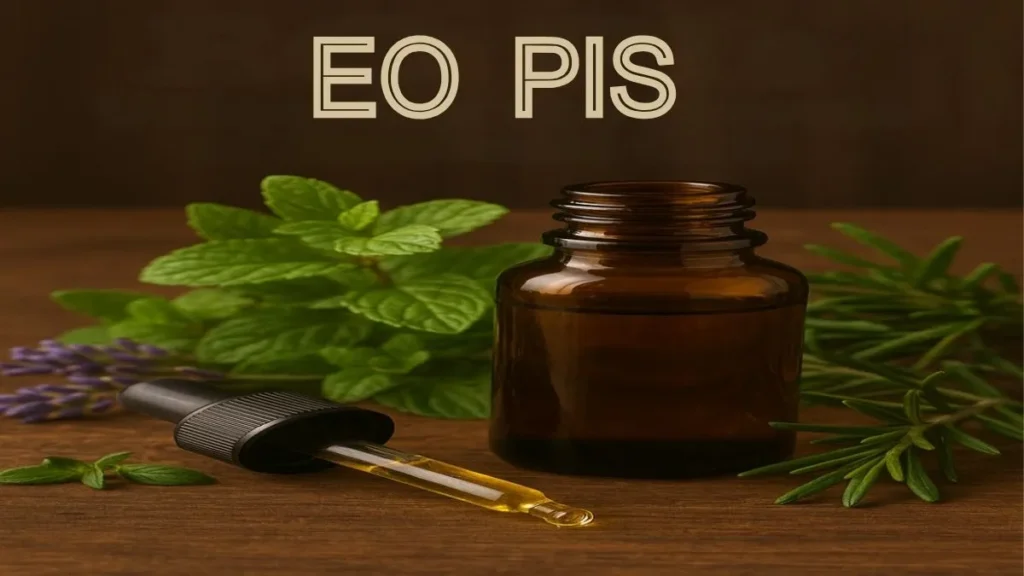
EO Pis refers to a specific mix of essential oils from plant infusions. It combines extracts like lavender, peppermint, and eucalyptus. These come from leaves, flowers, or roots through steam distillation. The result is a concentrated liquid full of active compounds. In wellness circles, it acts as a tool for everyday support. Sources describe it as an integrated system for natural relief. For example, it targets areas like mood or rest without harsh chemicals. Users apply it through diffusion or direct touch. Always dilute it with a carrier oil for safety. Recent articles highlight its rise in home care. It avoids synthetic additives found in many products. EO offers a pure approach to feeling better each day.
10 Powerful Benefits for Daily Wellness
1: Reduces Stress Levels
High stress affects focus and sleep. EO Pis helps by promoting calm. Inhaling its scent triggers brain responses that lower cortisol. One study found lavender-based blends cut anxiety in participants. Apply a few drops to wrists during tough moments. The aroma spreads quickly for fast relief. People report feeling more at ease after use. This makes it ideal for work or home. Unlike pills, it has no drowsy side effects. Regular sessions build resilience over time. Pair it with deep breathing for stronger results. Pis fits into quick breaks without much effort. Many notice changes within minutes. This benefit stands out for those with packed schedules.
2: Improves Sleep Quality
Poor rest leads to fatigue and mood dips. EO Pis aids by creating a soothing environment. Diffuse it before bed to signal wind-down time. Compounds like chamomile in blends encourage relaxation. Research shows such oils extend deep sleep phases. Users wake up refreshed and alert. It beats counting sheep or screens. Place a diffuser by the nightstand for steady release. Avoid strong scents that might overwhelm. Start with low amounts to find the right level. Over time, it resets sleep patterns naturally. This helps night owls or shift workers. It turns bedtime into a ritual worth looking forward to. Simple steps yield big gains in energy.
3: Boosts Immune Function
Colds and flus hit hard in changing seasons. EO Pis strengthens defenses with antiviral properties. Oils like tea tree fight germs on contact. Apply to feet or chest for absorption. Studies link eucalyptus to fewer sick days. It clears paths for better breathing too. Use in a steam bath for direct impact. This keeps minor bugs at bay. Families find it useful during outbreaks. No need for constant hand washing alone. EO adds an extra layer of protection. Combine with healthy eating for full effect. Results show up in fewer absences from work or school. It supports the body without overload.
4: Eases Muscle and Joint Pain
Aches from exercise or age slow people down. EO Pis relieves discomfort through anti-inflammatory action. Peppermint cools sore spots on application. Mix with coconut oil for a massage rub. Trials confirm reduced pain scores after use. It penetrates skin to target deep tissues. Athletes rely on it for recovery. Skip the ice packs for this warm alternative. Daily rubs prevent buildup of tension. Pis works for headaches too. Rub temples gently for quick ease. This natural path avoids dependency on meds. Users gain mobility and comfort fast.
5: Enhances Mood and Emotional Balance
Low days drain motivation. EO Pis lifts spirits with uplifting notes. Citrus elements spark joy in the brain. Diffuse during mornings to start positive. Data shows orange oil cuts gloom in groups. It balances hormones linked to feelings. Friends notice the change in attitude. Use in baths for full immersion. This beats temporary fixes like sweets. It sustains good vibes longer. Track moods to see patterns improve. It helps during tough phases like winter. Simple inhales shift perspectives quickly.
6: Sharpens Focus and Mental Clarity
Distractions pull attention away. EO Pis clears the mind for better concentration. Rosemary boosts memory recall in tests. Inhale from a bottle during tasks. Workers use it for meetings or studies. It stimulates without jitters from caffeine. Add to a roller for on-the-go access. Results include higher productivity. Students benefit from exam prep. itcuts through fog from lack of sleep. Pair with quiet spaces for max effect. This tool keeps goals in sight daily.
7: Supports Respiratory Health
Breathing issues arise from allergies or colds. EO Pis opens airways with menthol-like effects. Eucalyptus thins mucus for easier flow. Steam inhales deliver it deep inside. Reports note fewer coughs after sessions. It soothes irritated throats too. Use in humidifiers for room-wide help. This aids singers or speakers. EO prevents minor problems from worsening. Combine with hydration for best outcomes. Families stock it for seasonal shifts. Clear lungs mean more active days.
8: Promotes Healthy Skin
Skin faces daily wear from sun or pollution. EO Pis nourishes with antioxidants. Lavender heals minor cuts and blemishes. Dilute and apply to problem areas. Studies praise tea tree for acne control. It balances oil production naturally. Avoid harsh soaps with this gentle choice. Users see smoother texture over weeks. It fits into nightly routines. Mix in lotions for even coverage. This keeps glow without costly creams. Sensitive types find relief from irritation.
9: Aids Digestion and Gut Health
Bloating or upsets disrupt meals. EO Pis calms the stomach with soothing herbs. Peppermint relaxes muscles in the tract. Rub on abdomen in circles. Evidence links it to less gas and cramps. Drink in tea for internal support. This helps after heavy foods. Travelers pack it for unfamiliar eats. Pis restores balance without laxatives. Note improvements in regularity. It complements fiber-rich diets. Simple uses prevent discomfort.
10: Increases Energy Levels
Slumps hit mid-afternoon often. EO Pis revives with invigorating scents. Lemon awakens senses on inhale. Diffuse at desks for steady lift. Findings show citrus oils combat fatigue. It replaces sugary drinks healthily. Active folks use before workouts. EO sustains drive without crashes. Adjust amounts for personal needs. This benefit rounds out daily vigor. Feel the difference in output.
How to Incorporate It into Your Daily Routine
Start small to build habits. Pick one method like diffusion in the morning. Choose a quiet spot for best absorption. Track effects in a journal. Adjust based on responses. Buy quality EO Pis from trusted sellers. Store in dark bottles away from heat. Test for allergies with a patch first. Blend with others for custom mixes. Share with family for group wellness. Consistency brings the most change.
Potential Side Effects and Precautions
Most tolerate EO Pis well. Some get skin rashes if undiluted. Always mix with carriers. Pregnant people should consult doctors. Keep away from eyes and kids. Overuse might cause headaches. Stop if issues arise. Quality matters to avoid contaminants. Follow guidelines for safe enjoyment.
Conclusion
EO Pis brings natural support to everyday life. Its 10 benefits cover many areas. From calm to energy, it adapts to needs. Try it and see personal shifts. Wellness comes from steady steps. This option stands ready for anyone.
For more visit: https://tourmagazine.co.uk/
Frequently Asked Questions
1. What makes EO Pis different from other oils?
It uses a plant infusion system for stronger effects. This blend targets wellness in a focused way.
2. Can I use itevery day?
Yes, with proper dilution. Start slow and watch for reactions.
3. Is EO Pis safe for children?
Check with a doctor first. Use lower amounts and supervise.
4. How long do effects last?
Varies by person. Some feel it for hours after application.
5. Where can I buy quality EO Pis?
Look for certified organic brands online or in health stores.