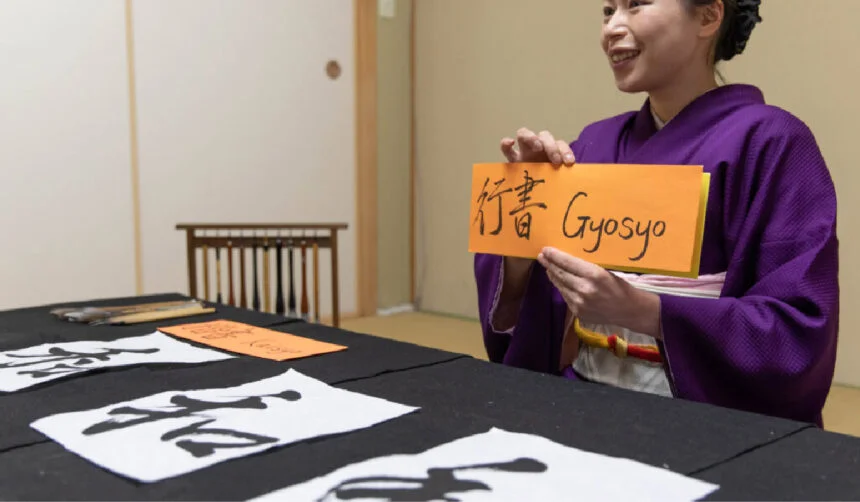
Jyokyo comes from Japanese, where it means the state of affairs or the full picture of a moment. It goes beyond a simple snapshot. Think of it as tuning into the subtle flow of what’s happening around you. In today’s fast world, mastering Jyokyo can change how you handle talks, work meetings, or even casual meetups. People often miss key signs because they rush or get distracted. Yet, with practice, anyone can get better at picking up on these cues. This skill boosts decisions and builds stronger bonds.
The seven ways below draw from real methods used in safety training, psychology, and daily habits. They aim to make Jyokyo a natural part of your routine. Start small, and over time, you’ll see shifts in how you respond to the world.
Way 1: Build Present-Moment Focus
Staying in the now forms the base for strong Jyokyo skills. Distractions pull you away from what’s right in front of you. Phones buzz, thoughts wander, and suddenly you miss a shift in the room’s mood. To counter this, try simple breathing exercises. Sit still for two minutes each day. Breathe in for four counts, hold for four, out for four. This clears mental noise. In real settings, like a group chat, pause to scan your surroundings. Note the light, sounds, and air. Research shows mindful people spot threats or chances faster. For example, in a busy street, this focus helps you see a car turning oddly.
At work, it lets you catch a boss’s subtle frustration before it boils over. Build this habit by setting reminders. Over weeks, it becomes automatic. Combine it with limiting screen time during interactions. The goal is full engagement. When you anchor yourself, Jyokyo sharpens without effort. Practice in low-stakes spots first, like during a walk. Notice birds, people passing, wind on your skin. This trains your brain to stay alert. Soon, you’ll apply it everywhere, from family dinners to high-pressure deals. It’s about choosing awareness over autopilot.
Way 2: Train Your Eyes for Details
Sharp vision turns ordinary scenes into rich data sources. Many overlook small items or changes that reveal much. Start by playing observation games. At home, glance at a room for 30 seconds, then list everything you recall. Do this daily to improve recall. In public, note colors, shapes, and positions of objects. For instance, in a cafe, spot how tables are set or what drinks people hold. These details hint at the vibe. Is the place relaxed or tense? Expand to people watching without staring. See how someone shifts weight or fiddles with items. This builds a mental map. Use it in meetings to gauge interest levels.
If a colleague avoids eye contact, probe gently. Tools like apps for memory challenges can help. Or try “Kim’s Game,” where you cover objects and recall them. Over time, this hones your ability to read shifts quickly. Apply it to safety too. Spot unusual bags or behaviors in crowds. The key is consistency. Make it fun, not a chore. With practice, your eyes become a powerful tool for Jyokyo, catching what others miss and giving you an edge in any scenario.
Way 3: Interpret Nonverbal Signals
Body language speaks volumes where words fall short. Arms crossed might show defense, while open palms suggest trust. To master this in Jyokyo, study basics first. Watch posture, gestures, and faces. A tight jaw could mean stress. Practice by viewing silent videos and guessing emotions. In daily life, pair it with context. At a party, if someone leans away during talk, they might disengage. Respond by changing topics. Clusters matter too. One sign alone misleads, but several together paint a clear picture. For example, fidgeting plus averted eyes often signals discomfort.
In business, this helps during pitches. Spot enthusiasm through nods or boredom via glances at watches. Build skills with role-play. Act out scenes with friends and discuss cues. Books on micro-expressions offer deeper insights. Remember cultural differences. A nod means yes in some places, no in others. Adjust for that. With time, reading these signals becomes second nature. It enriches interactions and prevents misunderstandings. Use it ethically, to connect, not manipulate. This way elevates your Jyokyo to a level where you anticipate needs before they’re voiced.
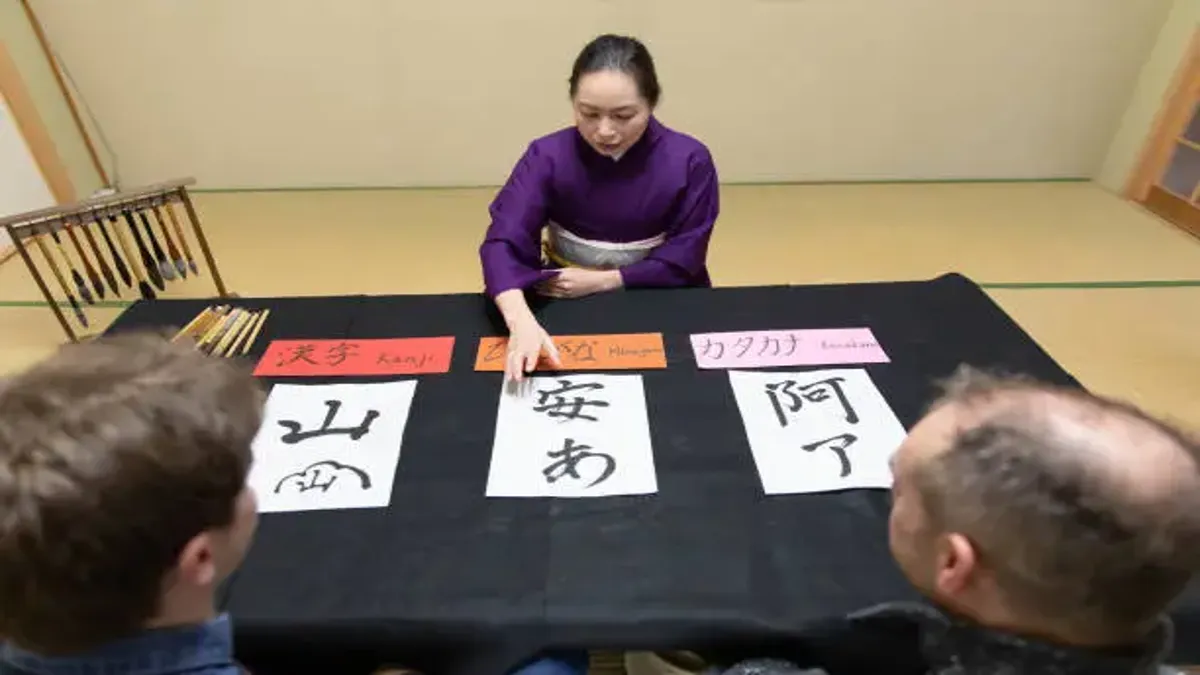
Way 4: Listen Beyond Words
True listening catches the unsaid parts of speech. Tone rises with excitement, drops with doubt. Pauses hint at hesitation. To boost Jyokyo here, cut interruptions. Let others finish, then reflect back what you heard. This confirms understanding. In conversations, note speed too. Fast talk might show nerves. Slow could mean careful choice of words. Practice active listening in pairs. One speaks, the other summarizes without adding. At events, tune into group dynamics. Who dominates? Who stays quiet? This reveals power structures.
In tense spots, like arguments, hear underlying fears. Respond to those for better outcomes. Tools like recording talks help review later. Spot missed cues. Over months, this sharpens intuition. Apply to phone calls, where visuals lack. Focus on breaths or sighs. In diverse groups, account for accents or idioms. Mishearing leads to errors. The aim is full comprehension. When you listen this way, Jyokyo flows from every exchange. It turns small talks into meaningful bonds and helps navigate tricky social waters with ease.
Way 5: Consider Broader Contexts
Every situation sits in a larger frame of culture, history, and environment. Ignoring this blurs Jyokyo. Start by learning basics about places or groups. In new countries, research norms. Direct eye contact offends in some cultures, welcomes in others. At home, think about timing. A joke lands differently at 9 AM versus midnight. Weather affects moods too. Rainy days might dampen spirits. In work, recall past events. A team’s recent loss could explain low energy. To practice, journal daily contexts. Note how they shape interactions.
In meetings, factor in hierarchies. Juniors speak less around seniors. Adjust your approach. Read news for global ties. A world event might influence local talks. This widens your lens. Over time, it prevents assumptions. Use questions to clarify unknowns. “How do you see this?” opens doors. With this habit, Jyokyo gains depth. You see not just the surface, but the roots. This leads to wiser choices and fewer surprises in varied settings.
Way 6: Step Into Others’ Shoes
Empathy bridges your view to theirs, enriching Jyokyo. It means feeling what they might feel. Ask, “Why act that way?” Consider backgrounds. A quiet person could be shy, not rude. Practice by imagining roles in stories. What drives the character? In real life, during conflicts, pause to think from their side. This calms reactions. At social events, guess motivations. Why laugh loudly? Seeking approval? Use it in teams to spot burnout. Tired eyes might mean overload. Offer help. Build with diverse chats. Hear different stories.
This expands perspectives. Avoid projecting your biases. Check assumptions. Over weeks, empathy grows. It turns guesses into accurate reads. In sales, sense customer doubts early. Address them. The result? Stronger ties and smoother paths. When empathy joins observation, Jyokyo becomes a tool for positive change. It humanizes moments and fosters mutual respect.
Way 7: Review Past Encounters
Learning from history refines future Jyokyo. After events, reflect. What went well? What missed? Keep a log. Note cues and outcomes. Over time, patterns emerge. A certain tone often precedes arguments. Adjust next time. Share with trusted friends for feedback. “What did you notice?” This adds angles. In professional fields, like security, reviews are standard. Adopt that mindset. Use apps for quick notes. Review weekly. Spot growth areas.
For example, if you misread friendliness as interest, learn signs. This builds confidence. Apply to all areas, from dates to debates. The cycle of act, reflect, improve strengthens skills. With consistency, errors drop. Jyokyo evolves from guesswork to precision. Embrace mistakes as teachers. This way ensures steady progress and lasting mastery.
Conclusion
Mastering Jyokyo through these seven ways transforms how you engage with the world. It starts with focus and builds to deep insight. Practice daily, and results show in better choices and connections. Remember, it’s a skill anyone can develop. Stay patient and curious. Soon, reading situations feels natural. Give it a try today.
For more you might read: Mac Računala
FAQs
1. What does Jyokyo mean exactly?
It’s a Japanese word for the overall situation or context, like understanding the full picture in any moment.
2. Can anyone learn these skills?
Yes, with regular practice. Start small and build up over time.
3. How long until I see improvement?
Most notice changes in a few weeks if they practice daily.
4. Is this useful only in work?
No, it helps in all areas, like friendships, family, and safety.
5. Do I need special tools?
Just your senses and a notebook for reflections. No extras required.
Discover more inspiring insights on lifestyle, education, technology, and entertainment at Tour Magazine, your go-to online publication for fresh and engaging articles.