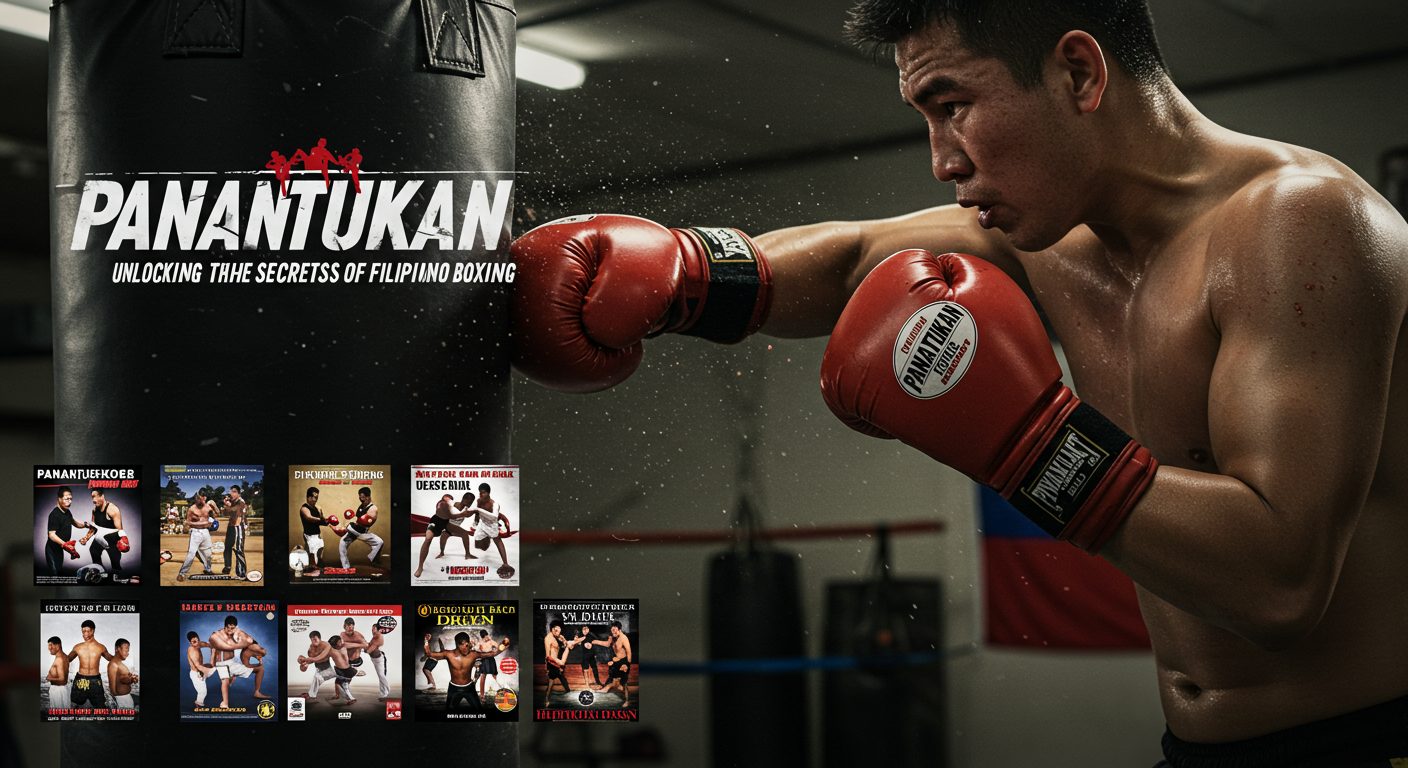
Panantukan stands out as a practical martial art from the Philippines. It focuses on close-range fighting skills. Many people turn to Panantukan DVDs to learn these methods at home. These resources offer step-by-step guidance. They help beginners and advanced learners alike. In this post, you will find a full outline of key topics. Each section builds on the last. The content covers history, benefits, techniques, and more. Expect practical advice based on real training approaches. This ensures you gain useful knowledge. By the end, you will know how these DVDs can fit into your routine. The goal is to make mastery feel achievable.
What is Panantukan?
Panantukan refers to the empty-hand striking system in Filipino martial arts. It draws from boxing but adds unique elements. Fighters use punches, elbows, knees, and open-hand strikes. The style emphasizes fluid motion and quick responses. Unlike standard boxing, it includes limb destructions and trapping. This makes it effective for self-defense. Practitioners learn to handle real-world scenarios. The art integrates with weapons training in broader systems like Kali or Eskrima.
Panantukan stresses awareness and adaptability. It avoids rigid forms. Instead, it promotes natural body mechanics. Students practice drills to build reflexes. These drills simulate combat pressure. Overall, Panantukan builds confidence in close quarters. It suits anyone seeking practical skills. Many Panantukan DVDs break this down into clear lessons. They show how strikes flow together. This helps viewers grasp the core ideas without confusion.
History and Origins of Panantukan
Panantukan traces its roots to the Philippines. It emerged from indigenous fighting methods. Spanish colonization influenced its development. Local warriors adapted techniques for survival. By the early 20th century, it blended with Western boxing. Fighters like Ceferino Garcia brought elements to global stages. He popularized the “bolo punch” from Filipino styles. Panantukan grew in urban areas like Manila. It became known as “dirty boxing” for its no-rules approach.
Pioneers such as Johnny LaCosta and Lucky Lucaylucay refined it in the U.S. They taught it alongside Eskrima. The art spread through seminars and media. Today, it remains part of modern self-defense programs. Its history reflects resilience and innovation. Panantukan DVDs often include historical notes. These add context to the moves. Understanding origins helps appreciate the art’s depth. It shows how past conflicts shaped current practices.
Benefits of Learning Panantukan Through DVDs
Learning Panantukan offers clear advantages. It improves physical fitness first. Regular practice builds strength and endurance. You burn calories with dynamic drills. It also sharpens mental focus. Quick decisions become second nature. Self-defense skills grow too. You learn to handle threats effectively. DVDs make this accessible. They let you train at your own pace. No need for a gym or partner right away. Quality Panantukan DVDs provide structured lessons. They cover basics to advanced moves. This saves time compared to scattered online videos.
You can pause and rewind as needed. It fits busy schedules. Many include warm-ups and cool-downs. These prevent injuries. DVDs often feature expert instructors. Their tips feel personal. Over time, you see progress in coordination. Balance improves with footwork drills. Confidence rises as skills develop. It stands out for their replay value. Watch them repeatedly for mastery. They preserve traditional knowledge in a modern format. This method suits solo learners well. It complements in-person classes later on.
Choosing the Right Panantukan DVDs
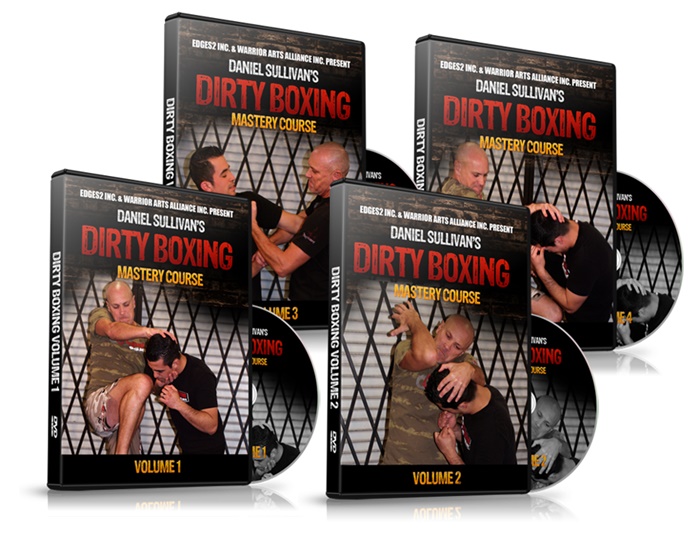
Selecting good Panantukan DVDs matters. Look for clear instruction first. Instructors should demonstrate slowly. Check for multiple angles on techniques. Reputable ones come from experts like Daniel Sullivan or Ron Balicki. Their series cover drills and applications. Read reviews for honest feedback. See if they suit beginners or pros. Quality production helps. Good audio and video make learning easy. Avoid outdated materials. Opt for recent releases with current insights.
Some DVDs include bonus content. This might cover weapon transitions. Price varies, but value counts more. Compare sets like the Dirty Boxing Mastery Course. It offers mitt drills and more. Think about your goals. Self-defense focused? Choose practical scenarios. Sport oriented? Pick competition tips. Panantukan DVDs with progressions work best. They build skills layer by layer. Test a sample if possible. Many sites offer previews. This ensures a good fit. Proper choice speeds up your learning curve.
The 7 Ultimate Techniques for Mastery
Mastery in Panantukan comes from key techniques. These seven form a strong base. Each one adds to your toolkit. Practice them often for best results. Panantukan DVDs highlight these in detail. They show real uses. Focus on form and timing. Build from simple to complex.
1: Gunting Destructions
Gunting means “scissors” in Filipino. It involves parrying and striking at once. You target incoming limbs. This disrupts attacks early. Start with basic parries. Use your forearm to deflect punches. Follow with a counter strike. Aim for joints or nerves. This causes pain and opens gaps. Advanced versions add footwork. Step offline to avoid hits. Combine with elbows for power. Gunting shines in close range. It turns defense into offense fast. Practice on pads first. Then try with partners. Panantukan DVDs often drill this extensively. They teach variations for different scenarios. Master it to control fights better. It reduces risk in real encounters.
2: Elbow Strikes
Elbows deliver short, powerful blows. They work well up close. Panantukan features ten main types. Include horizontal and vertical ones. Slash across the face. Or drive upward into the chin. Use them in combos. Follow a punch with an elbow. This keeps pressure on. Protect your head while striking. Tuck your chin. Rotate hips for force. Elbows cut skin easily. They also break guards. Train them slowly to avoid injury. Build speed over time. Many Panantukan DVDs focus on elbow sets. They show safe practice methods. Incorporate them into flows. This boosts versatility. Elbows add edge in tight spaces.
3: Knee Attacks
Knees target midsections and legs. They generate force from the core. Pull your opponent in. Then drive the knee up. Aim for ribs or thighs. This weakens stance. Use in clinches. Grip the neck for control. Combine with pulls. Knees disrupt balance. They create openings for more strikes. Practice on heavy bags. Focus on accuracy. Avoid overextending. Panantukan DVDs demonstrate knee flows. They include defenses too. Learn to spot chances. Knees suit street defense. They work without much space. Add them to your arsenal for impact.
4: Hubud Lubud Flow Drills
Hubud means “to tie and untie.” It builds sensitivity. Partners exchange traps and escapes. Start with basic patterns. Trap an arm. Then release and counter. Repeat smoothly. This develops touch and timing. Add strikes as you advance. Include elbows or punches. Hubud mimics real chaos. It trains reactions under pressure. Do it at varying speeds. Slow for learning. Fast for testing. Panantukan DVDs use Hubud as a core drill. They show progressions. Master it to flow in fights. It links techniques seamlessly.
5: Trapping Hands
Trapping pins or redirects limbs. It clears paths for strikes. Use open hands to slap away guards. Then hit exposed areas. Combine with footwork. Step in while trapping. This closes distance. Trapping disrupts rhythm. It frustrates opponents. Practice against resistance. Start light. Increase intensity. Panantukan DVDs cover trapping sequences. They teach common setups. Use it with gunting for combos. Trapping adds control. It turns fights in your favor.
6: Low-Line Kicks
Low kicks target legs and knees. They slow foes down. Use shins or feet. Aim for calves or thighs. This affects mobility. Follow with upper strikes. Kicks set up traps. Stay balanced. Retract fast to avoid grabs. Panantukan includes destructive kicks. Step on feet too. This pins and hurts. DVDs show low-line tactics. They emphasize safety. Practice on pads. Build power gradually. Low kicks change dynamics. They keep distance or close it.
7: Clinch Work
Clinch controls at grappling range. Use underhooks or neck ties. Strike from here. Add knees and elbows. Break free if needed. Push or pull to unbalance. Clinch transitions to takedowns. Or keeps standing fights. Train endurance in clinches. Hold positions longer. Panantukan DVDs detail clinch entries. They include escapes. Master clinch to dominate close fights. It blends all techniques.
Training Tips and Drills
Start training with warm-ups. Stretch arms and legs. Do light shadow boxing. This prepares muscles. Use mirrors for form checks. Record sessions too. Review for improvements. Partner drills build realism. Wear gloves and pads. Communicate during practice. Stop if something hurts. Build stamina with circuits. Mix strikes and footwork. Rest between sets. Hydrate often. Panantukan DVDs provide drill ideas. Follow their routines. Track progress in a journal. Note strengths and weak spots. Adjust as needed. Consistency beats intensity. Train three times weekly. Mix solo and group work. This rounds out skills.
Common Mistakes to Avoid
Avoid rushing techniques. Learn basics first. Poor form leads to bad habits. Fix them early. Don’t neglect defense. Always guard your head. Overrelying on power ignores timing. Focus on precision. Skipping warm-ups risks injury. Make them routine. Ignoring footwork limits movement. Practice angles daily. Panantukan DVDs warn against these. They show corrections. Stay patient. Mastery takes time.
Conclusion
Panantukan offers real skills for life. Through DVDs, anyone can start. The seven techniques provide a path to mastery. Combine them with tips for results. Keep practicing. You will see growth. Panantukan DVDs remain a solid choice. They bring experts to your home. Explore them today.
You might also like: Lufanest
FAQs
1. What makes Panantukan different from regular boxing?
Panantukan includes elbows, knees, and traps. Regular boxing sticks to punches.
2. Are Panantukan DVDs good for beginners?
Yes. They start with basics and build up slowly.
3. How often should I train with these DVDs?
Aim for three to four sessions per week. Rest in between.
4. Do I need equipment for Panantukan training?
Basic gloves and pads help. A heavy bag adds value.
5. Can Panantukan help with self-defense? Absolutely.
It teaches practical moves for real situations.
Dive deeper into trending topics, helpful guides, and engaging reads across multiple categories by visiting Tour Magazine today.